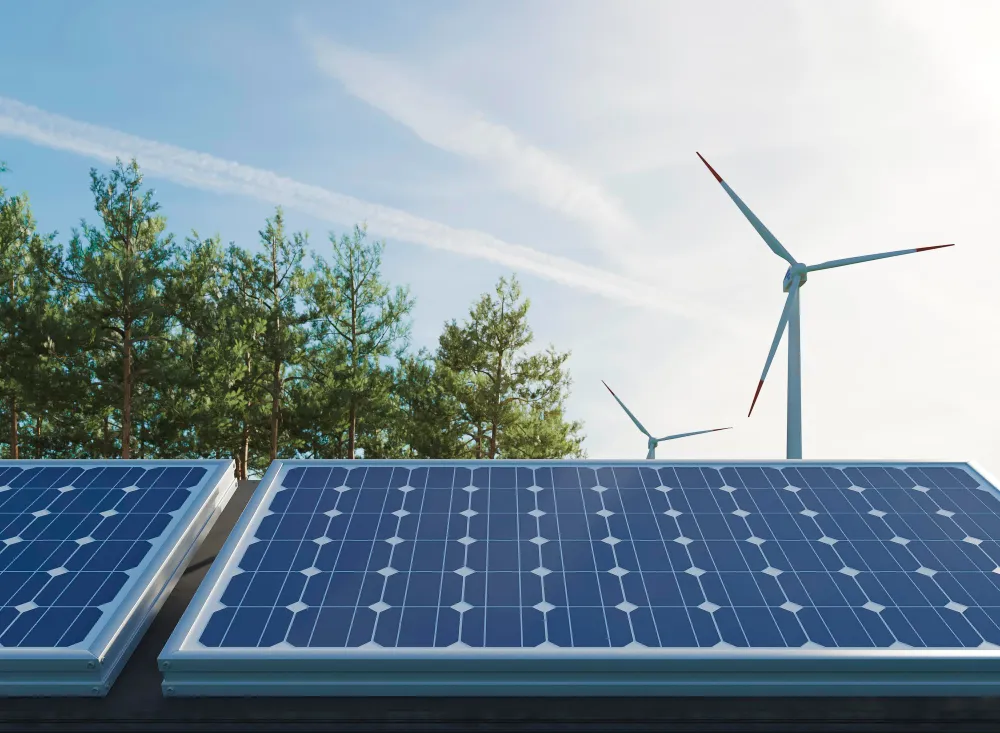

People are focusing on sustainability and solar panels are becoming a popular choice. They create clean and renewable electricity. Many wonder: How long do solar panels last?
This guide will cover the lifespan of solar panels, what affects how long they last, maintenance tips, and more.
Even if you’re thinking about getting solar panels or just curious about how durable they are, keep reading to find out everything you need to know.

Factors Influencing Solar Panel Longevity
Solar panels are built to be strong and dependable, usually lasting for 25 to 30 years or even longer. Yet, various factors can impact how well solar panels continue to produce electricity over time. Knowing these factors can guide your decisions when considering solar energy investments. Here’s an in-depth look at the main factors that affect how long solar panels last:
Quality of Materials and Manufacturing
The lifespan of solar panels is heavily influenced by the quality of materials used during manufacturing. Panels made from robust materials like monocrystalline silicon are known for their durability and efficiency over the years. When choosing solar panels, it’s crucial to research the manufacturer’s reputation and reliability to ensure you’re investing in panels that can withstand environmental conditions and maintain high-performance levels.
Manufacturer’s Warranty and Reputation
The manufacturer’s warranty is a key factor in predicting how long solar panels will last. Reputable manufacturers typically offer warranties spanning over 25 to 30 years. This ensures the panels maintain a specified efficiency level during this period. Opting for panels from a trusted manufacturer with a strong reputation assures reliability and longevity.
Climate and Weather Conditions
Climate and weather conditions significantly affect how solar panels perform. Solar panels are made to withstand diverse weather conditions like rain, snow, and strong winds. However, extreme weather can damage panels if they are not properly installed or shielded. Panels installed in areas prone to severe weather should be strategically positioned and protected.
Installation Quality and Orientation
The installation quality affects how well solar panels perform and how long they last. Professional installation ensures panels are securely mounted, correctly wired and positioned. Panels should be angled and oriented to optimize energy production and reduce shading from trees or buildings.
Regular Maintenance and Care
Regular maintenance keeps solar panels effective and durable. Cleaning them regularly to remove dust and debris ensures optimal performance. Periodic inspections are necessary to detect any wear, damage, or malfunctioning parts. Timely repairs and replacements extend the lifespan of your solar energy system.
Solar Panel Degradation Over Time
Solar panels become less effective over their lifespan. This degradation rate varies by panel type and quality. Generally ranges from 0.5% to 1% per year. Modern panels are designed with degradation rates factored into their performance guarantees.

Maintenance Tips for Extending Solar Panel Lifespan
Effective maintenance increases the efficiency and lifespan of solar panels. Consistent upkeep ensures your solar energy system continues to produce clean and renewable electricity. Here are maintenance tips to prolong the lifespan of your solar panels:
Regular Cleaning
To maximize sunlight absorption, it’s important to keep solar panels clean. Dust, dirt, leaves and bird droppings can build up and decrease efficiency. Clean panels every few months. Use a soft brush or sponge with mild soap and water to gently wash the surface. Avoid using harsh chemicals or abrasive materials that might scratch the panels.
Monitor for Shading
Regularly check the area around your solar panels to ensure there is no shading. Obstructions can reduce the panels’ energy production. Trim overhanging branches to maximize sunlight exposure throughout the day. Particularly during peak sunlight hours.

Conduct Annual Inspections
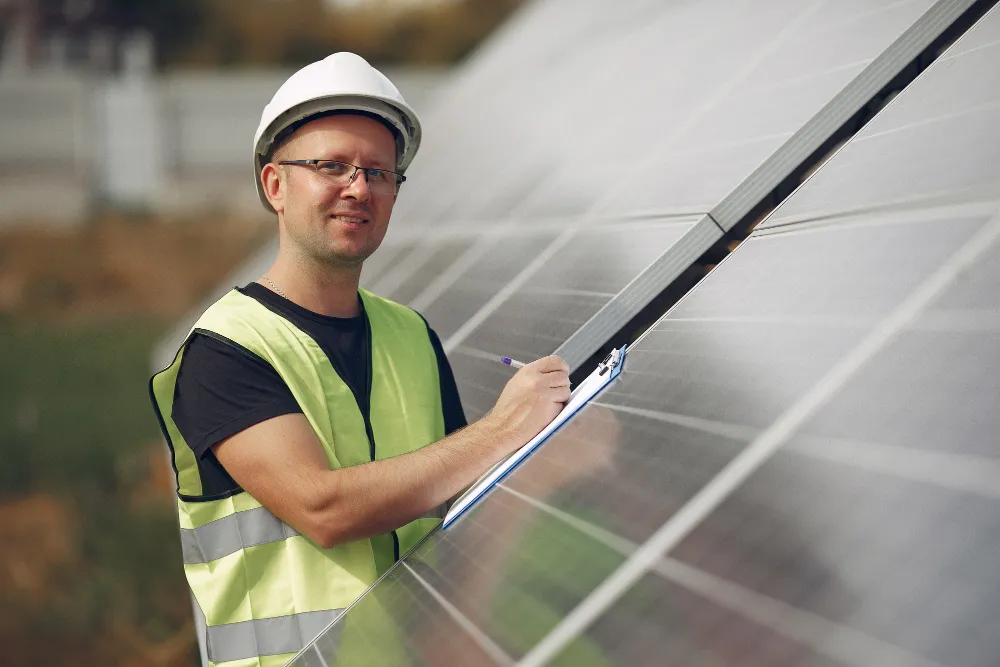
Arrange yearly inspections with a certified solar technician. Evaluate your solar energy system’s condition and performance. These inspections can uncover issues like loose connections, cracked panels or faulty components. Promptly addressing these issues prevents further damage and ensures your system operates at peak efficiency.
Check for Signs of Wear and Damage
Consistently examine your solar panels for any signs of wear, damage or deterioration. Look closely for cracks, chips, discoloration or hotspots that could impact their performance. Inspect mounting hardware, frames and seals for signs of corrosion or weakening. Swiftly repair or replace any damaged components.
Monitor Performance
Use monitoring software or tools provided by your installer to track your solar energy system’s performance. Monitor metrics like daily output, energy yield, and efficiency levels regularly. Monitoring helps you spot any deviations from expected performance and allows for timely resolution of potential issues.
Maintain Proper Ventilation
Ensure adequate ventilation around solar panels to prevent heat buildup. Proper airflow helps regulate panel temperature and prevents overheating. Especially during heatwaves. Maintain clearance around panels. Allow for airflow and avoid obstruction by debris or other objects.
Wrapping Up
In conclusion, the question of “How long do solar panels last” has been answered in this blog post.
As we navigate towards a greener future, embracing solar energy becomes a must. Solar panels last for 25-30 years. Investing in solar technology is a long-term commitment to both the environment and energy savings.
Solar Panels Victoria offers expert solar transition assistance. Shift to renewable energy smoothly and beneficially.